
Hungarian Chicken Paprikash
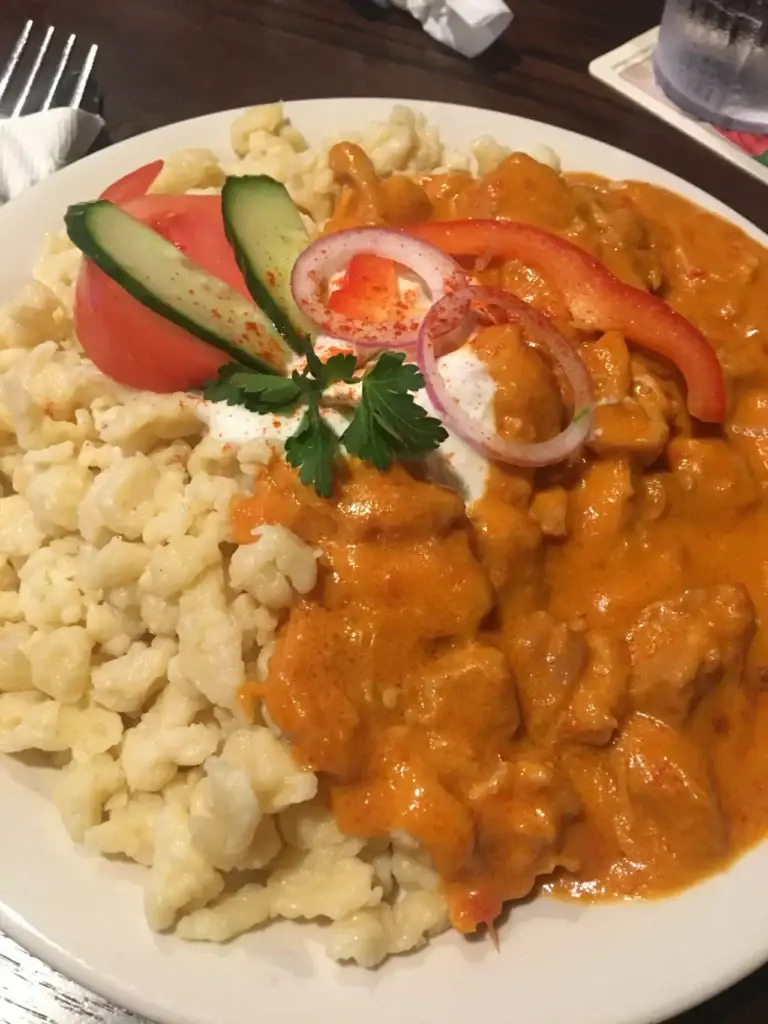
Hungarian Chicken Paprikás with Nokedli
If there is one dish that captures the warmth of a Hungarian kitchen, it may be paprikás csirke — chicken paprikás.
This is not fancy food, and that’s precisely the point. It is the food of Hungarian homes: a heavy pot on the stove, onions slowly cooking in lard, the unmistakable fragrance of sweet paprika filling the kitchen, and a family gathering around the table while someone tears off another piece of bread to chase the last bit of sauce.
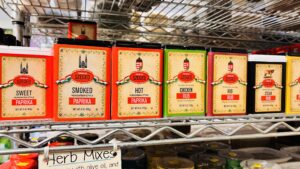
Chicken paprikás is a staple of Hungarian cuisine, and for many Hungarians it is the taste of home. Every family has its own version, but the essential character remains the same: tender chicken, sweet Hungarian paprika, onions, a little tomato and pepper, and a luscious sour-cream sauce.
And it would be hard to imagine it without nokedli.
These little Hungarian egg dumplings are made to catch the sauce. You don’t merely serve nokedli beside paprikás—you spoon that paprika-colored gravy over them generously and make sure not a drop goes to waste.
Notes
- Tips
If you have leftovers, store the sauce and the nokedli separately, because the pasta will soak up the sauce by next day.
If you like spicy, you can add a small dried red hot capsicum pepper while cooking and then take it out at the end.
The Spirit of Paprikás
There are countless versions of chicken paprikás, because this is the kind of dish that lives in families rather than in rulebooks.
One grandmother may insist on lard. Another may use more onions. Someone else adds a little extra paprika or insists that the nokedli must be made by hand.
That’s part of its character.
Paprikás csirke is humble food with enormous cultural weight.
It represents the Hungarian love of paprika, the importance of gathering around the table, and the tradition of making something deeply satisfying from simple ingredients.
It is Sunday lunch.
It is a grandmother’s kitchen.
It is the smell of onions and paprika drifting through the house.
It is a plate of nokedli disappearing beneath a pool of creamy red sauce.
And it is, above all, Hungarian comfort food in its purest form.

Hungarian Chicken Paprikash
Ingredients
Instructions
The Paprikás
-
Start with the chicken
Pat the chicken dry and season it with salt and pepper.
Heat the lard in a large, heavy pot or Dutch oven over medium-high heat. Add the chicken in batches and brown it well, beginning skin-side down. You're not trying to cook it through yet. You're building flavor. Once beautifully browned, remove the chicken and set it aside.Take your time with the onions
Lower the heat to medium and add the onions to the same pot.Cook them slowly for 8–10 minutes, stirring occasionally, until soft, golden, transparent and almost melting.
This is one of the quiet secrets of Hungarian cooking: don't hurry the onions and do not burn it. You need to add a dash of water or lower the temperare of the stove. The finished sauce should taste as though the onions have become part of it rather than simply sitting in it.The paprika moment
Now comes the heart of the dish.
Take the pot off the heat. This is important! Paprika burns easily. Burn it and it becomes bitter.
Add the Hungarian paprika and garlic and stir immediately. You want the paprika to bloom in the warm fat, releasing its deep red color and fragrance without scorching. Add the chopped tomato and green pepper and stir everything together. The kitchen should now smell unmistakably Hungarian at this point.Return the chicken
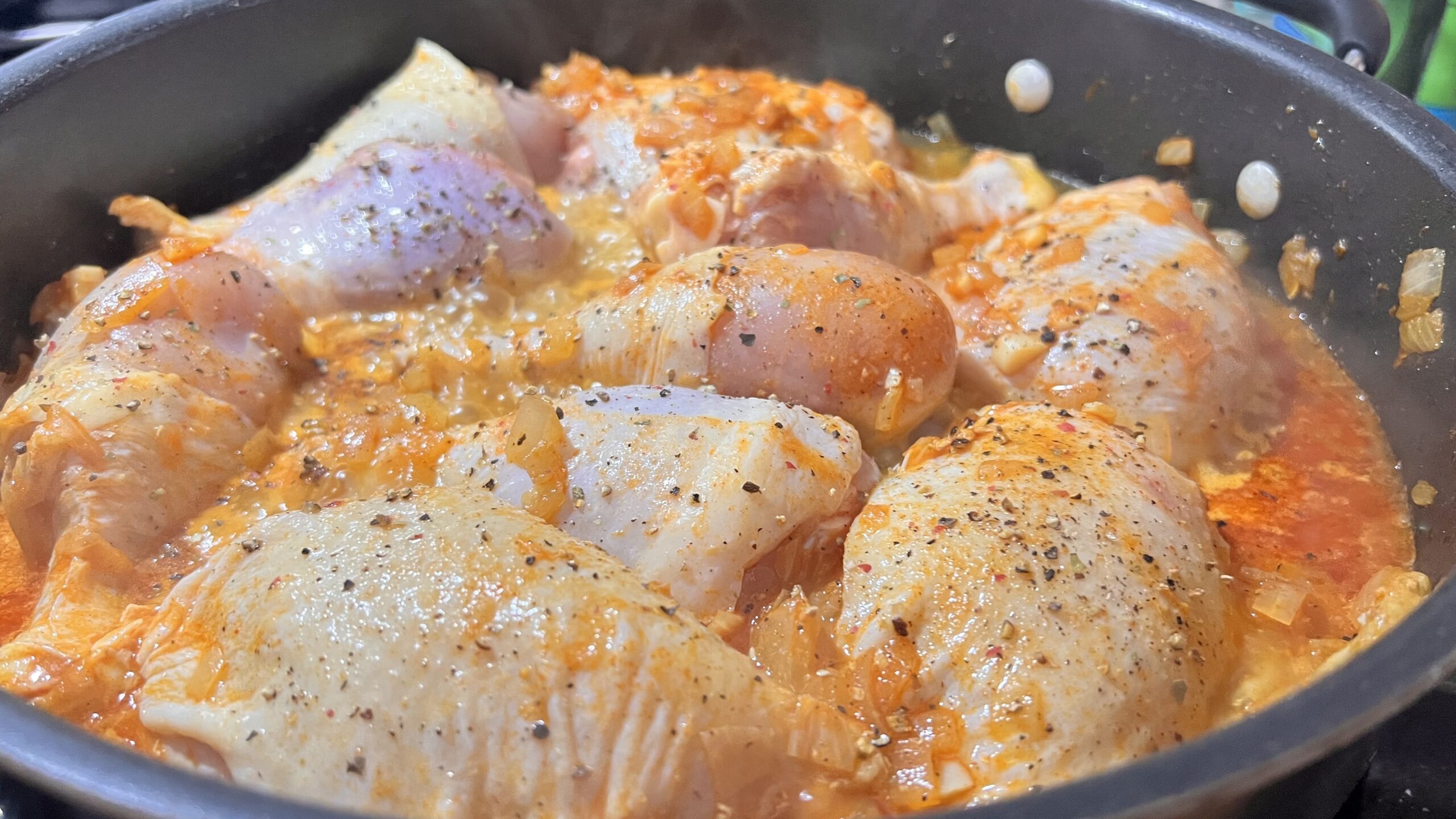
Nestle the browned chicken back into the pot. Pour in the stock or water (I prefer water). You don't want to drown the chicken—the liquid should come only about a third to halfway up the pieces.
Bring everything to a gentle simmer.Let it become paprikás
Cover the pot and simmer gently for 40–50 minutes, turning the chicken once or twice, until the meat is tender and nearly falling from the bone. Don't boil it aggressively.
As it cooks, the onions, paprika, chicken juices, tomato, and peppers come together into a rich, red sauce that smells far more complicated than the humble list of ingredients would suggest.Bring in the sour cream
In a bowl, whisk together the sour cream and flour. Slowly whisk several spoonfuls of the hot cooking liquid into the sour cream. This tempers it so the cream doesn't split when it meets the hot sauce. Now stir the mixture back into the pot.
Let the paprikás simmer gently for about 5 minutes, until the sauce becomes silky and slightly thickened.
Taste it.
Add salt if needed.
And then, ideally, resist the temptation to keep fiddling with it.
Paprikás should taste of paprika, onion, chicken, and sour cream—not of a dozen competing spices.While you can serve this with egg noodles, the authentic way is to make Nokedli, which Americans know by its German name, spätzle. You can find the recipe for it here.
-
Bring It to the Table
Now bring it all together. Spoon a generous mound of hot nokedli onto each plate. Place the tender chicken alongside it—or right on top.
Then ladle the paprikás sauce over everything. Don't be shy with the sauce. The nokedli will soak it up.
For the full Hungarian experience, serve the paprikás with a simple Hungarian cucumber salad, perhaps dressed with vinegar, sour cream, and a little paprika.
And put good sour dough bread on the table. Some people like it with bread, because there will be sauce left on the plate.
And in a Hungarian kitchen, leaving good paprikás sauce behind is practically a crime.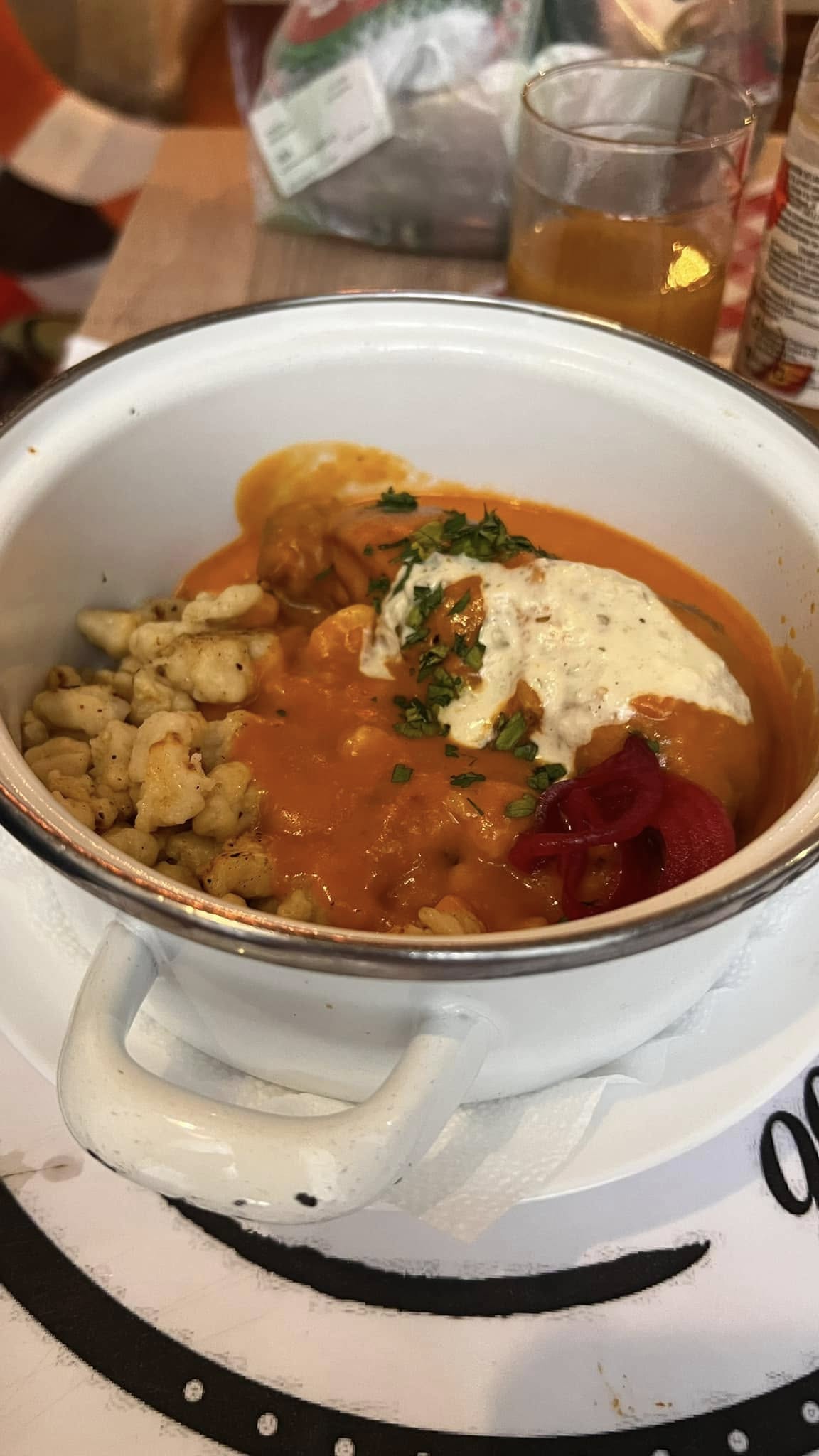
Note
Tips
If you have leftovers, store the sauce and the nokedli separately, because the pasta will soak up the sauce by next day.
If you like spicy, you can add a small dried red hot capsicum pepper while cooking and then take it out at the end.
The Spirit of Paprikás
There are countless versions of chicken paprikás, because this is the kind of dish that lives in families rather than in rulebooks.
One grandmother may insist on lard. Another may use more onions. Someone else adds a little extra paprika or insists that the nokedli must be made by hand.
That's part of its character.
Paprikás csirke is humble food with enormous cultural weight.
It represents the Hungarian love of paprika, the importance of gathering around the table, and the tradition of making something deeply satisfying from simple ingredients.
It is Sunday lunch.
It is a grandmother's kitchen.
It is the smell of onions and paprika drifting through the house.
It is a plate of nokedli disappearing beneath a pool of creamy red sauce.
And it is, above all, Hungarian comfort food in its purest form.