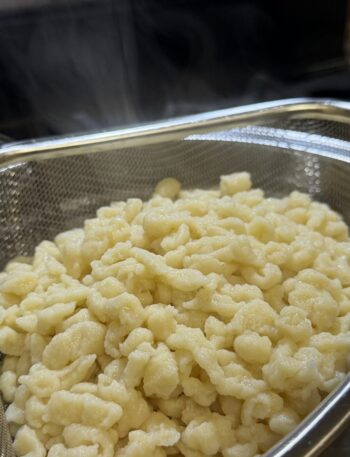
Nokedli are the little Hungarian dumplings that belong under almost every paprikash and stew. Soft, pillowy, and ready in minutes ….

Variations from My Hungarian Kitchen
Variations from My Hungarian Kitchen
Variations from My Hungarian Kitchen
Nokedli are the little Hungarian dumplings that belong under almost every paprikash and stew. Soft, pillowy, and ready in minutes ….
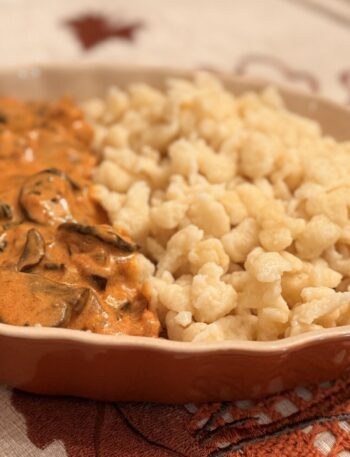
If there’s one Hungarian dish that will always have my heart, it’s tejfölös gombapaprikás. Mushrooms simmer slowly in sweet Hungarian paprika, then sour cream turns the sauce creamy and rich…
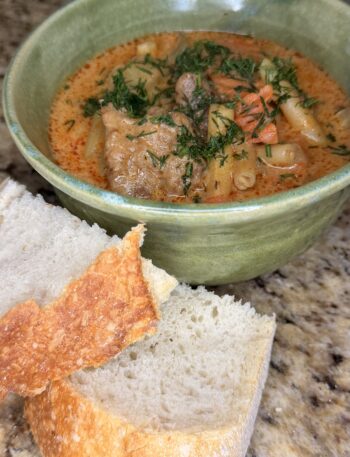
Some dishes are born from centuries of tradition. Others become tradition because someone, at the right moment, decides to create something new.
Palóc soup belongs to the second category.
Today, palócleves feels unmistakably Hungarian: paprika, tender meat, potatoes, green beans, sour cream, herbs, and a bright, pleasantly sour finish. It is the kind of soup that seems as though it must have been cooked in Hungarian kitchens forever.
But its story actually begins in Budapest at the end of the 19th century …
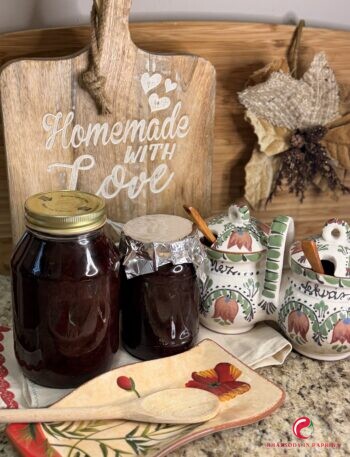
In Hungary, plum jam—szilvalekvár—has been made for generations, particularly in the villages and rural households where plums were among the …
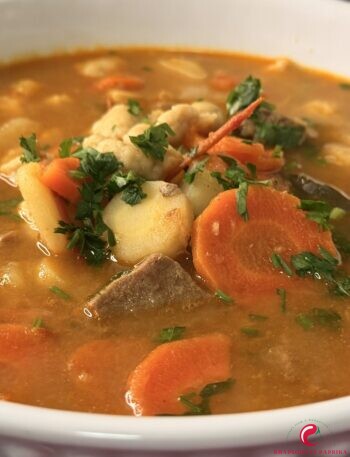
There are some dishes that need no introduction in a Hungarian kitchen. Gulyás is one of them. – This is a variation of the recipe you may see elsewhere and is just as authentic as the original.
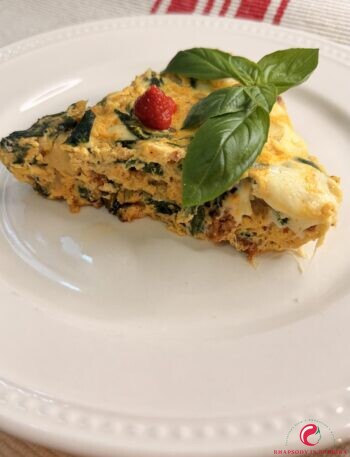
This frittata is easy to make on a Saturday morning, packs nutrients – mainly protein and fat – and can be saved in the fridge or frozen in batches for the rest of the week.
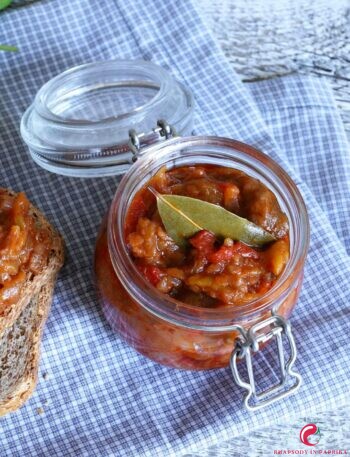
If there is one thing to know about zakuszka, it is that there is no single recipe. In Transylvania, it is the kind of food that belongs to the kitchen rather than to a cookbook — made in big batches when the garden is generous, then tucked away in jars to brighten the cold months ahead.
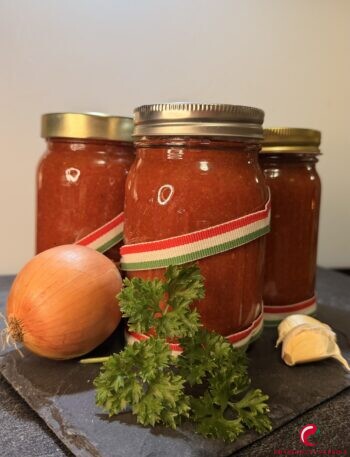
I grew up with my mom always having a tube of Gulyáskrém in the fridge door. That and Piros Arany …
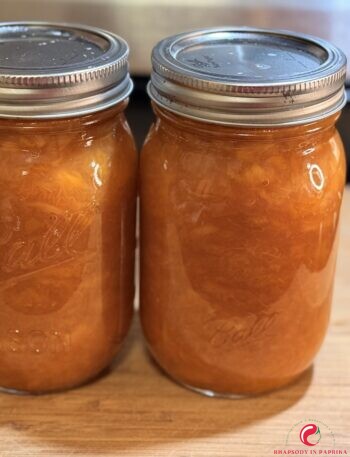
Baracklekvár, or Hungarian peach jam, is one of those recipes that takes me straight back to my childhood. I remember late summer days in our weekend garden, when the peach trees were heavy with ripe fruit and my mother would begin preparing for the winter months ahead.
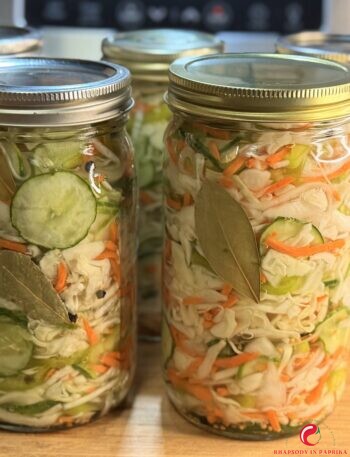
Csalamádé is one of those foods that immediately brings back memories of Hungarian kitchens, pantries, and family meals. A jar of colorful pickled vegetables was almost always welcome on the table, especially alongside rich Hungarian dishes.