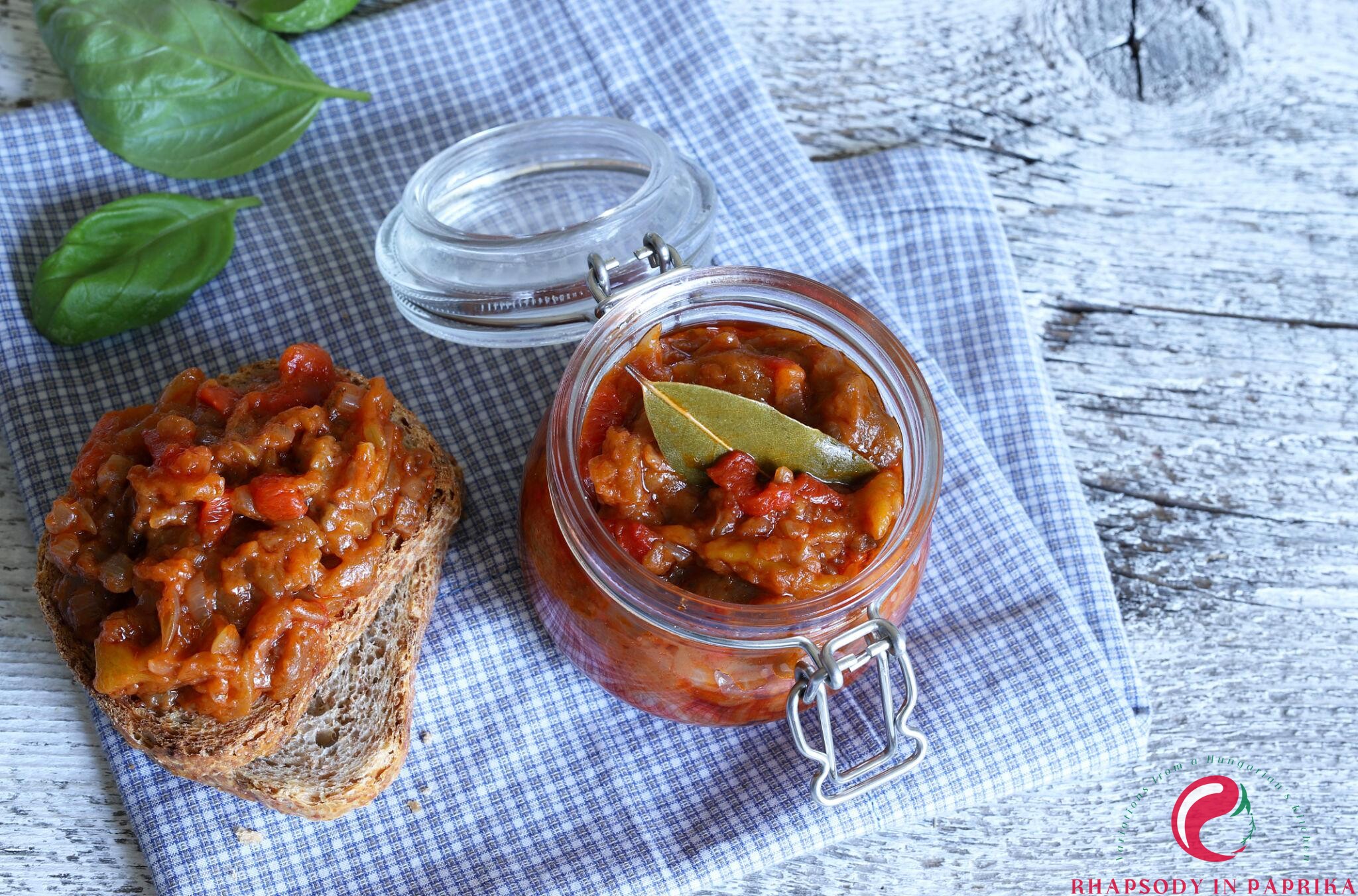
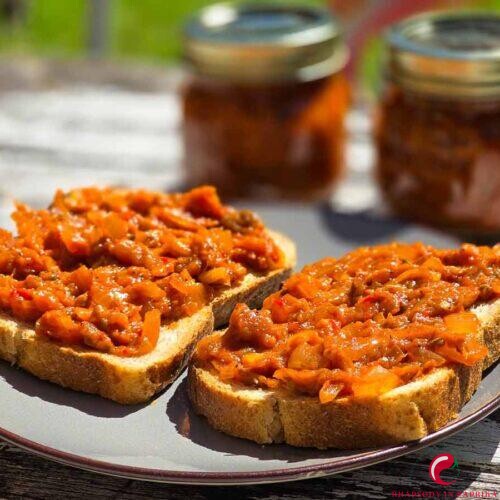
If there is one thing to know about zakuszka, it is that there is no single recipe. In Transylvania, it is the kind of food that belongs to the kitchen rather than to a cookbook — made in big batches when the garden is generous, then tucked away in jars to brighten the cold months ahead.
Zakuszka, or zakuska, is a beloved Transylvanian spread traditionally built around roasted red peppers, eggplant, onions, and tomatoes. But depending on the region, the family, and what happened to be growing or foraged that year, it can take on quite different personalities. One of the most beloved versions includes mushrooms — especially rókagomba (chanterelles) — while another classic variation is made with white beans, which gives the spread a wonderfully creamy, substantial texture.
The mushroom versions have a particular connection to the forests of Transylvania, where foraging has long been part of rural food culture. Rókagomba brings an earthy, almost meaty character to the sweet roasted peppers and eggplant. The bean version is heartier and more rustic, with the beans adding body and a gentle creaminess that makes the zakuszka especially satisfying spread on a thick slice of bread.
And then there are all the versions in between. Some cooks make it smokier, some sweeter, some add more tomatoes or onions, some use hot peppers, and some swear by a particular combination of spices. Every family seems to have its own “proper” zakuszka.
That’s what I love about it.
This recipe is my basic Transylvanian-style zakuszka, meant to be a starting point rather than a set of rules. Once you have the roasted pepper, eggplant, onion, and tomato base, you can take it in whichever direction you like. Add mushrooms for an earthy rókagombás zakuszka, white beans for a hearty bean version, or a little hot pepper if you like some heat.
Traditionally, zakuszka is made in generous quantities, often at the end of summer when peppers, eggplant, and tomatoes are at their best. It is slowly cooked until everything melts together into a thick, rich spread — the kind of food that tastes even better the next day.
Serve it simply on good bread, alongside cheese or cold cuts, or put a bowl of it on the table and watch it disappear.
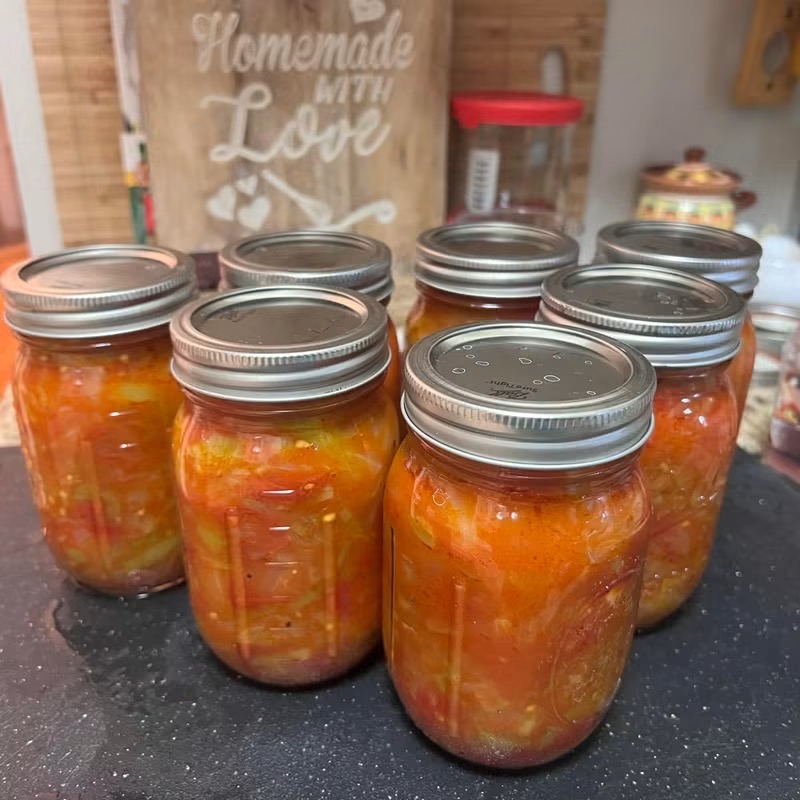
This recipe will yield 3 small jars of zacuska. This variation uses a smoker grill to give it an authentic smoky flavor.
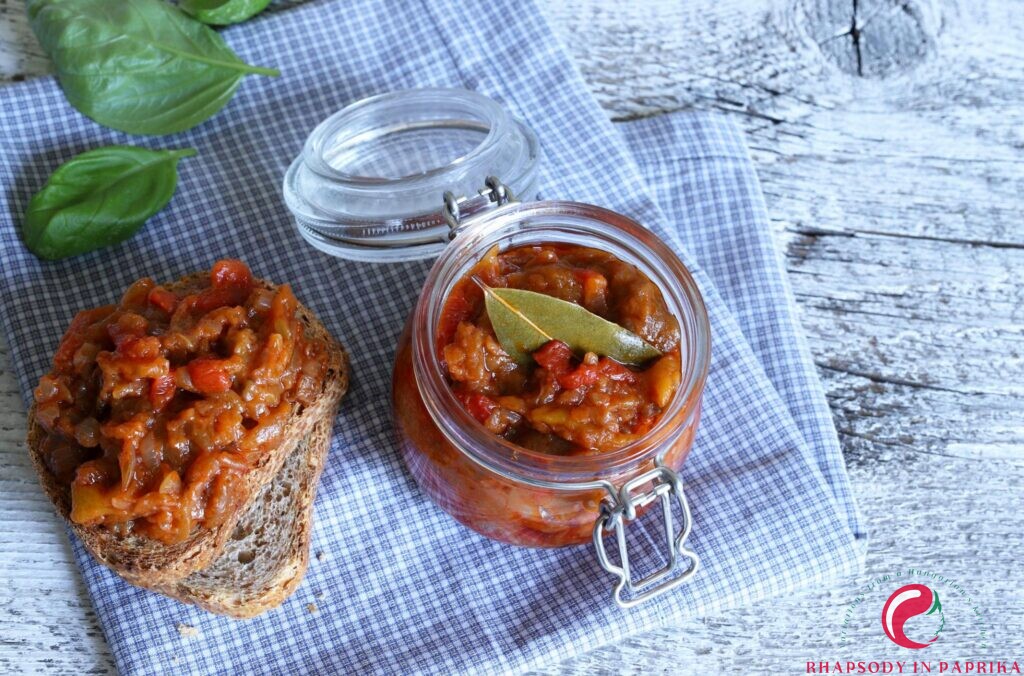

Zacuska – Eggplant Spread/ Zakuszka
Description
If there is one thing to know about zakuszka, it is that there is no single recipe. In Transylvania, it is the kind of food that belongs to the kitchen rather than to a cookbook — made in big batches when the garden is generous, then tucked away in jars to brighten the cold months ahead.
Zakuszka, or zakuska, is a beloved Transylvanian spread traditionally built around roasted red peppers, eggplant, onions, and tomatoes. But depending on the region, the family, and what happened to be growing or foraged that year, it can take on quite different personalities. One of the most beloved versions includes mushrooms — especially rókagomba (chanterelles) — while another classic variation is made with white beans, which gives the spread a wonderfully creamy, substantial texture.
This recipe is my basic Transylvanian-style zakuszka, meant to be a starting point rather than a set of rules. Once you have the roasted pepper, eggplant, onion, and tomato base, you can take it in whichever direction you like. Add mushrooms for an earthy rókagombás zakuszka, white beans for a hearty bean version, or a little hot pepper if you like some heat.
This recipe will yield 3 small jars of zacuska. This variation uses a smoker grill to give it an authentic smoky flavor.
Ingredients
Instructions
-
Prepare the vegetables
Eggplant and paprika: These are the vegetables that will be smoked and grilled.
For the eggplant, choose either method:
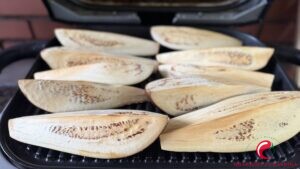
- Quartered: Cut each eggplant into quarters lengthwise. This gives the flesh more direct contact with the grill and creates a deeper smoky, charred flavor.
- Whole: Leave the eggplants whole and pierce the skin several times with a fork or knife to allow steam to escape.
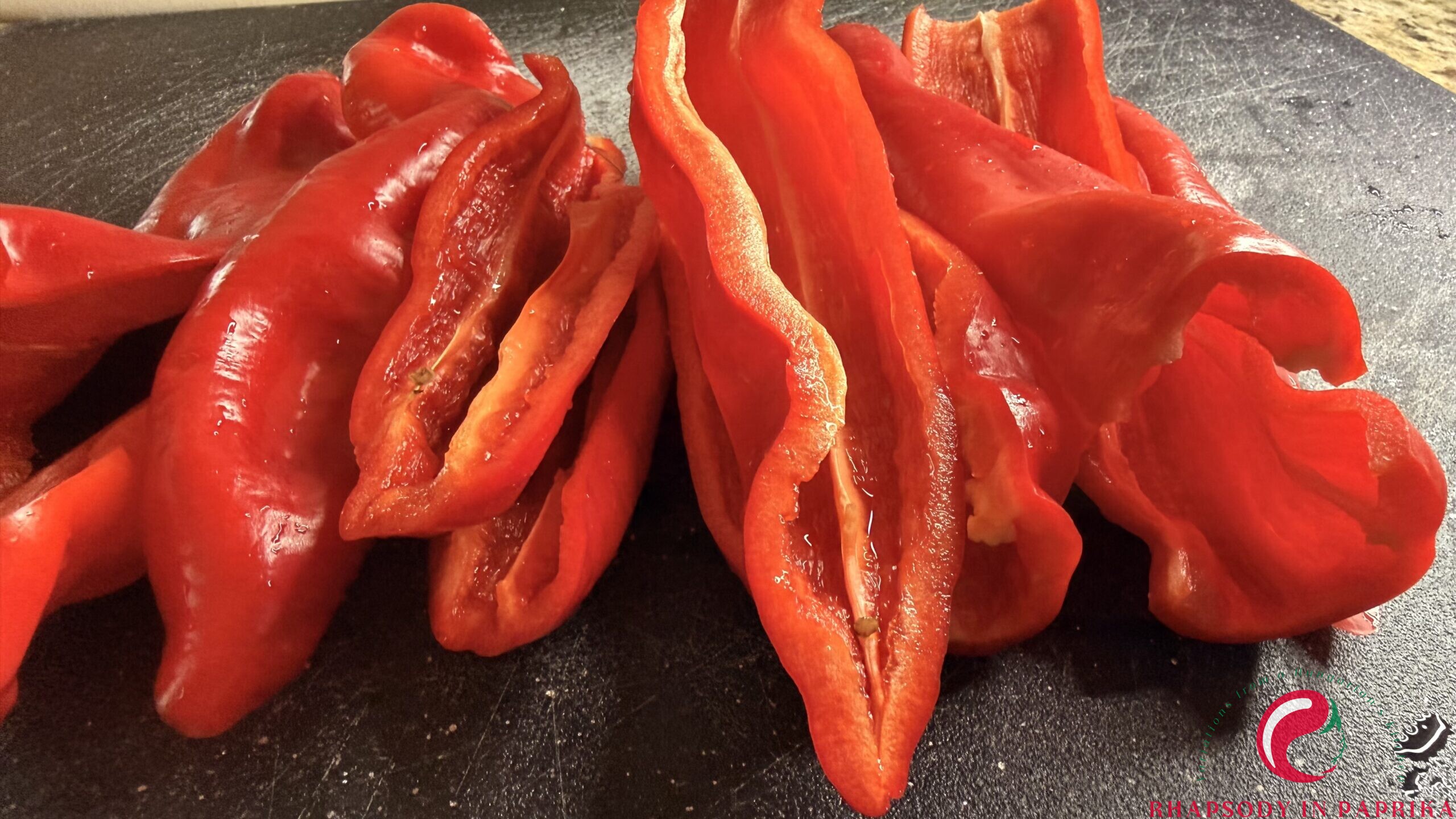
The paprika can be smoked and grilled whole.
Peel the tomatoes using the blanching and shocking method. Score a small X in the bottom of each tomato, place them in boiling water for 30–60 seconds, then immediately transfer them to an ice-water bath. Peel away the skins and remove the cores.
Peel and shred the carrot and parsnip.
Peel and finely chop the garlic.
Optional: The carrot, parsnip, tomatoes, celery, and garlic can also be smoked or grilled in the Ninja if you want a more pronounced smoky flavor. They do not need to be smoked for the basic version.
-
Smoke the eggplant and paprika in the Ninja
Fill the Ninja Woodfire smoker box with pellets according to the manufacturer's instructions. Apple, cherry, or another mild fruitwood works particularly well for zakuska.
- Turn the Ninja on and select SMOKER.
- Set the temperature to 250°F.
- Set the cooking time to 45 minutes.
- Press START and allow the grill to begin producing smoke.
- Place the eggplant and whole paprika in the cooking basket once the unit indicates that it is ready.
Eggplant
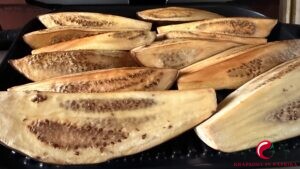
Quartered eggplant: Smoke for approximately 30–40 minutes, until the flesh has softened and the edges have begun to brown.
Whole eggplant: Smoke for approximately 40–50 minutes, depending on size. The skin should be deeply blistered and the eggplant should feel very soft when pressed with tongs.
Paprika
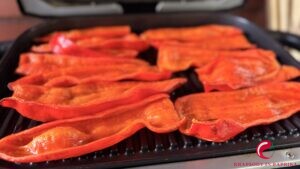
Smoke the whole paprika for approximately 30–40 minutes, turning once halfway through.
The paprika does not need to be completely cooked at this stage—the goal is to give it a good smoky flavor before grilling.
Important: Cooking times can vary considerably with the size of the vegetables and the particular Ninja model. Tenderness and charring are better indicators than the clock.
-
Grill the eggplant and paprika
Once smoking is complete, switch the Ninja to GRILL.
- Select GRILL.
- Set the temperature to HIGH.
- Allow the grill to preheat for approximately 10 minutes with the lid closed.
- Place the smoked vegetables on the grill grate.
Paprika
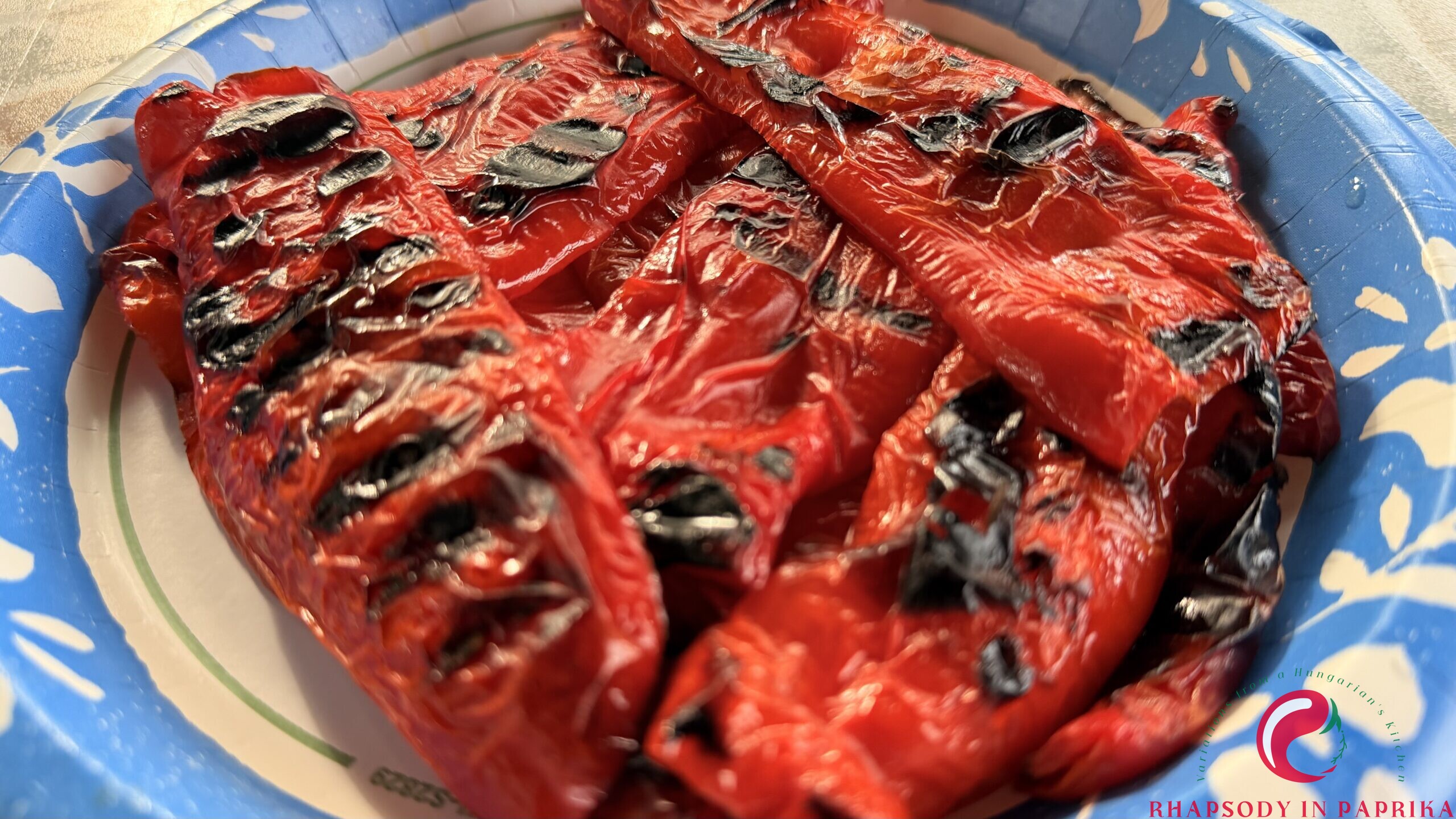
 Grill the paprika for approximately 8–12 minutes, turning every few minutes, until the skin is heavily blistered and charred on all sides.
Transfer the peppers to a bowl and cover with a plate, lid, or foil. Let them steam for 10–15 minutes. This makes peeling much easier.
Once cool enough to handle, remove the skins, stems, and seeds. Chop the roasted paprika flesh.
Quartered eggplant
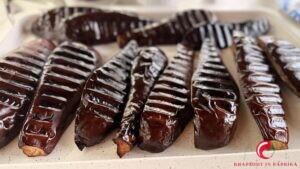 Place the quarters flesh-side down on the hot grill.
Grill for approximately 5–8 minutes per side, turning as needed, until the flesh is deeply browned and the edges are nicely charred.
Whole eggplant
Place the whole eggplant directly on the grill.
Grill for approximately 8–12 minutes, turning regularly, until the skin is heavily charred and the flesh is completely soft.
Transfer to a plate and allow to cool enough to handle. Cut open and scoop out the flesh, leaving the charred skin behind.
Place the eggplant flesh in a colander and allow it to drain for 20–30 minutes. This removes excess liquid and prevents the finished zakuska from becoming watery.
-
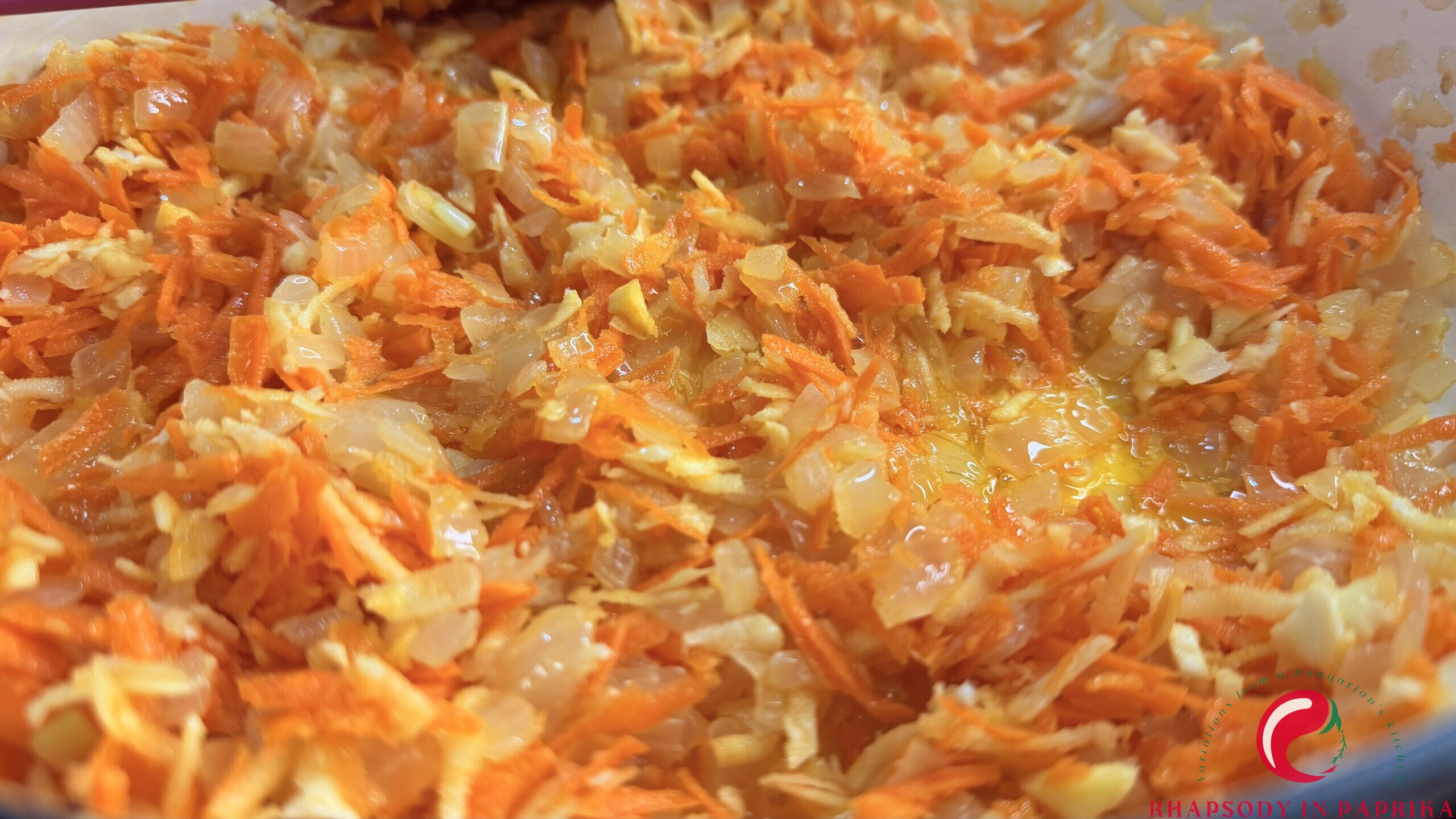
Cook the remaining vegetables
While the eggplant is draining, prepare the base.
Heat the cooking oil in a large, heavy-bottomed pot over medium-low heat.
Add the:
- shredded carrot
- shredded parsnip
- chopped garlic
- chopped celery
Cook gently for approximately 10–15 minutes, stirring frequently, until the vegetables begin to soften.
Add the peeled and chopped tomatoes and cook for another 15–20 minutes, allowing some of their moisture to evaporate.
Add the chopped smoked paprika and drained eggplant.
-
Slowly cook the zakuska
Reduce the heat to low.
Cook the mixture uncovered for approximately 60–90 minutes, stirring frequently.
The goal is not simply to cook the vegetables but to slowly concentrate their flavors and evaporate excess moisture.
As the zakuska thickens, stir more frequently to prevent it from sticking to the bottom of the pot.
Add the vinegar toward the last 10–15 minutes of cooking and adjust the salt and other seasoning to taste.
How to know it's ready
The zakuska should be:
- thick and spreadable
- glossy rather than watery
- deeply colored
- soft but still slightly textured
Run a wooden spoon across the bottom of the pot. If the mixture stays separated for a moment before slowly coming back together, the consistency is right. If you used seed oil, it would raise up to the top.
For a traditional rustic texture, do not completely purée the mixture. Small pieces of eggplant, paprika, and vegetables give the zakuska character.
-
Rest and serve or fill into mason jars while hot
Either fill the zakuska into mason jars or let it cool slightly before serving.
It is excellent spread on fresh crusty bread, served with cheese, or alongside grilled meats.
For the fullest flavor, refrigerate it overnight and serve the following day. The smoky paprika and eggplant become even more pronounced as the flavors have time to develop.