I grew up with my mom always having a tube of Gulyáskrém in the fridge door. That and Piros Arany (paprika creme) was a staple back in the 80s in most homes. One squeeze and suddenly the stew, or the Goulash soup, or scrambled eggs tasted much better. It was a popular grocery item. The store-bought version is a concentrated mix of paprika, onion, tomato, caraway, and a few supporting spices — convenient, yes, but full of thickeners and preservatives.
This homemade version is the real thing: just peppers, tomatoes, onion, garlic, caraway, paprika and a few other things cooked down until it becomes a rich, spoonable paste. No additives, no weird aftertaste, just pure Hungarian flavor you can keep in the fridge and use the same way you would use the tube — a spoonful at a time.
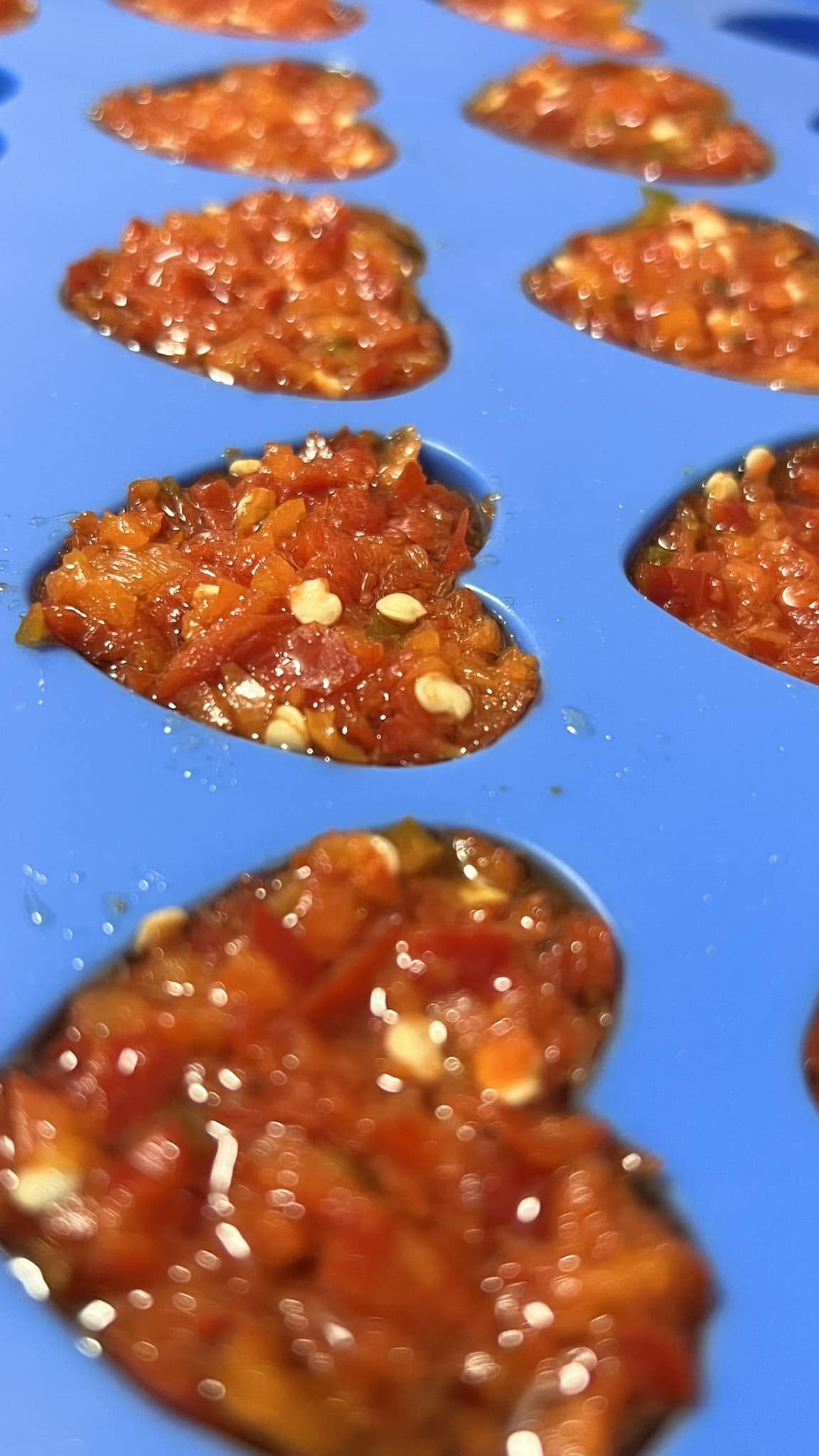
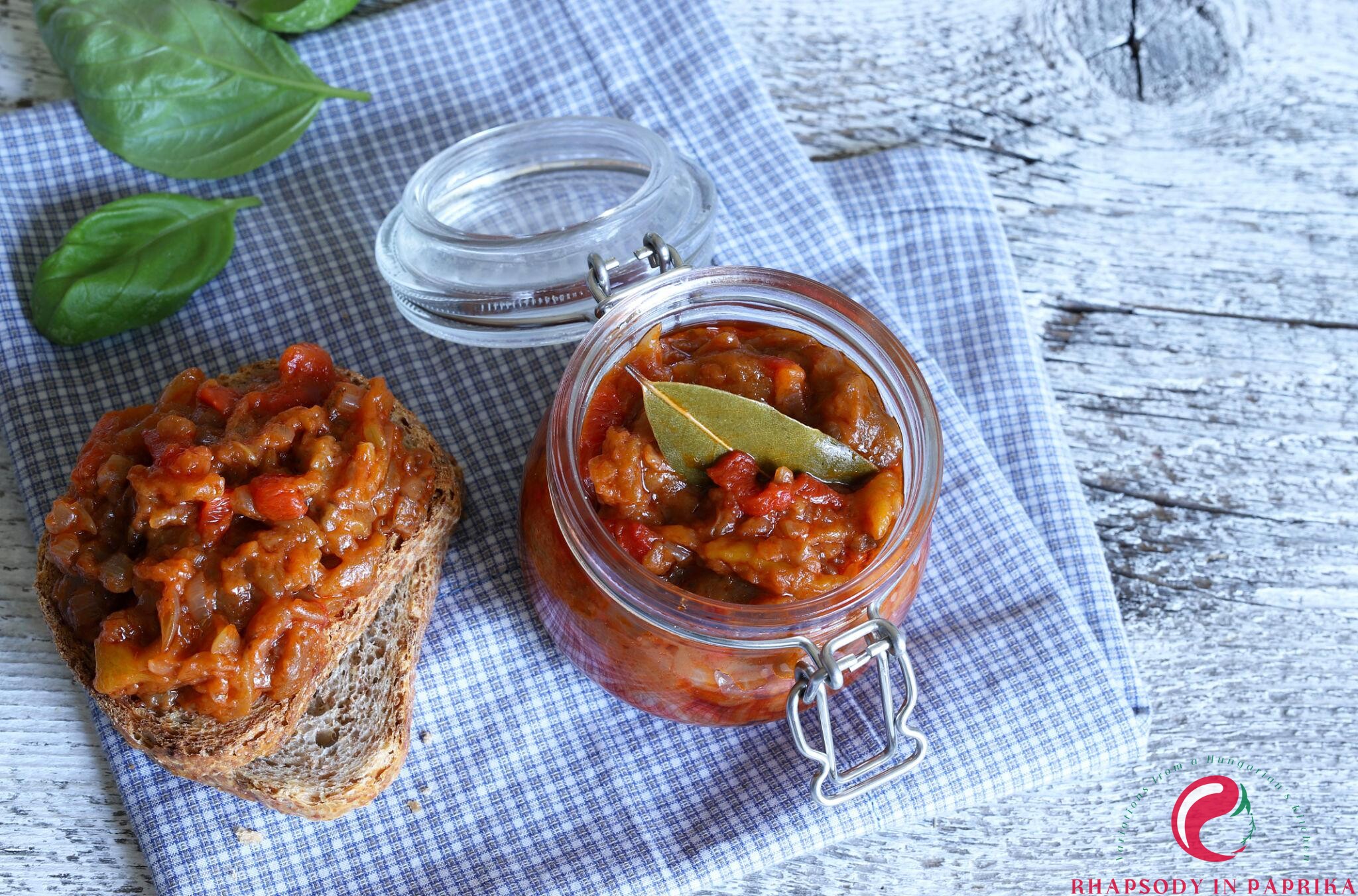
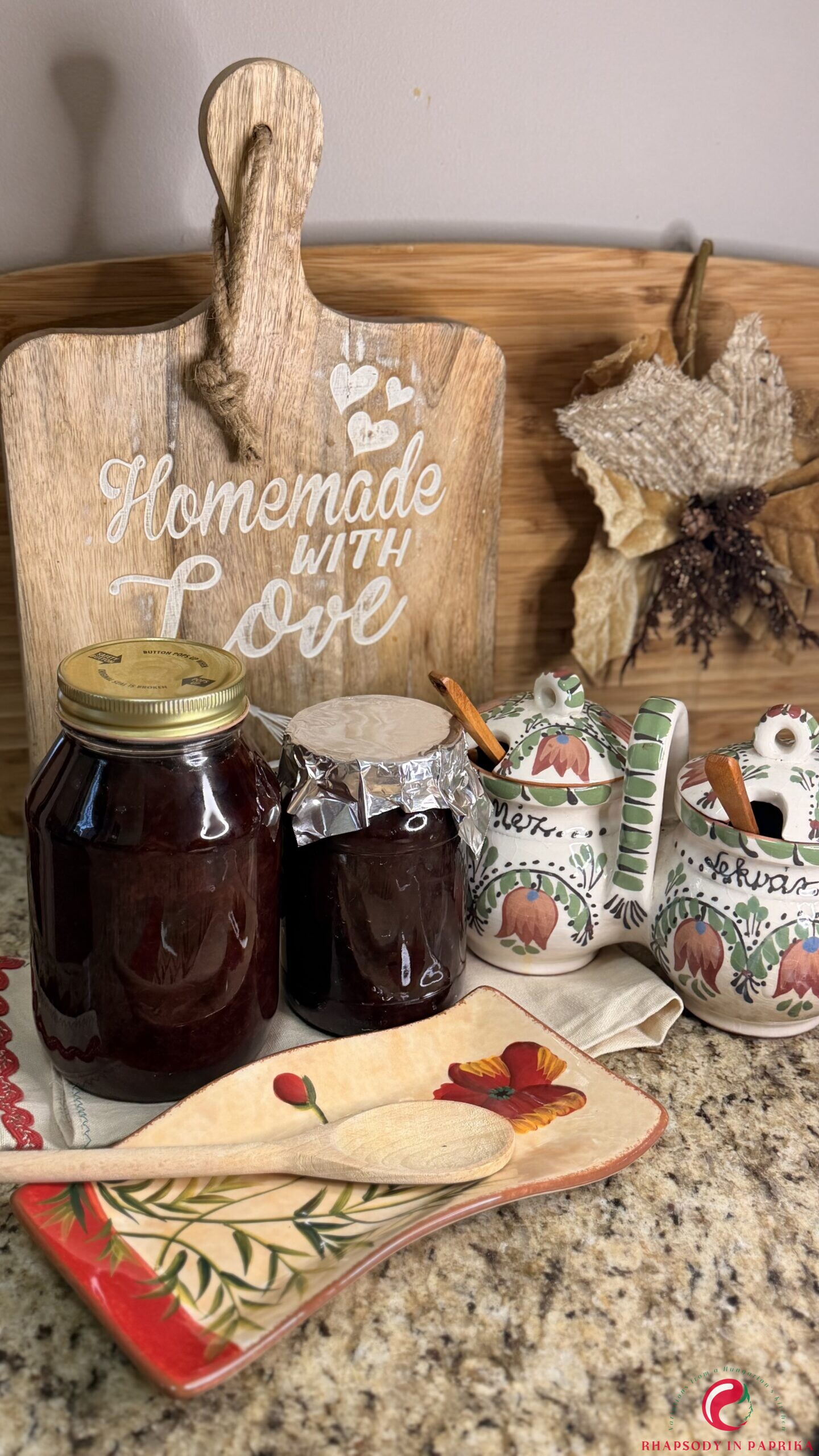
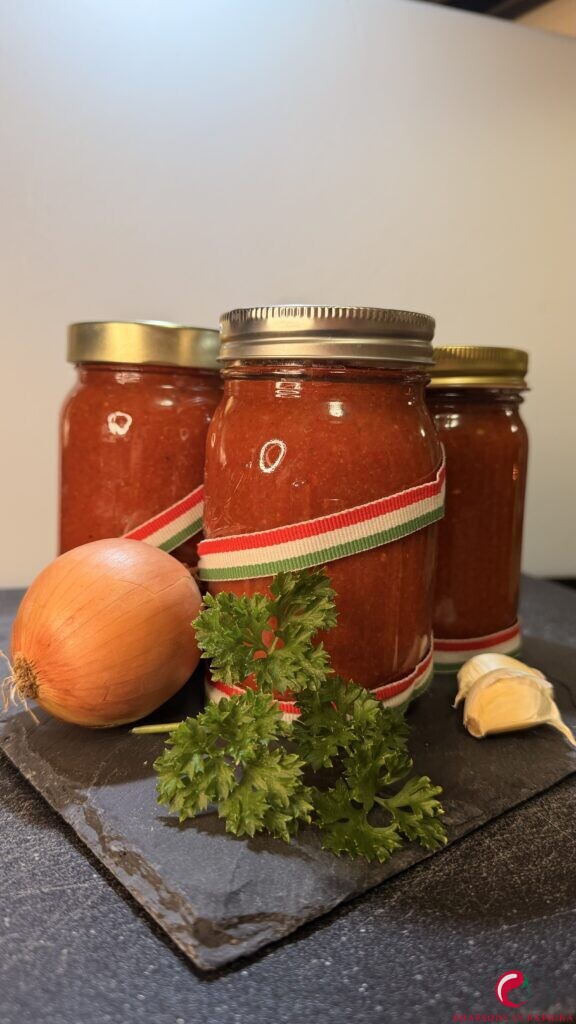
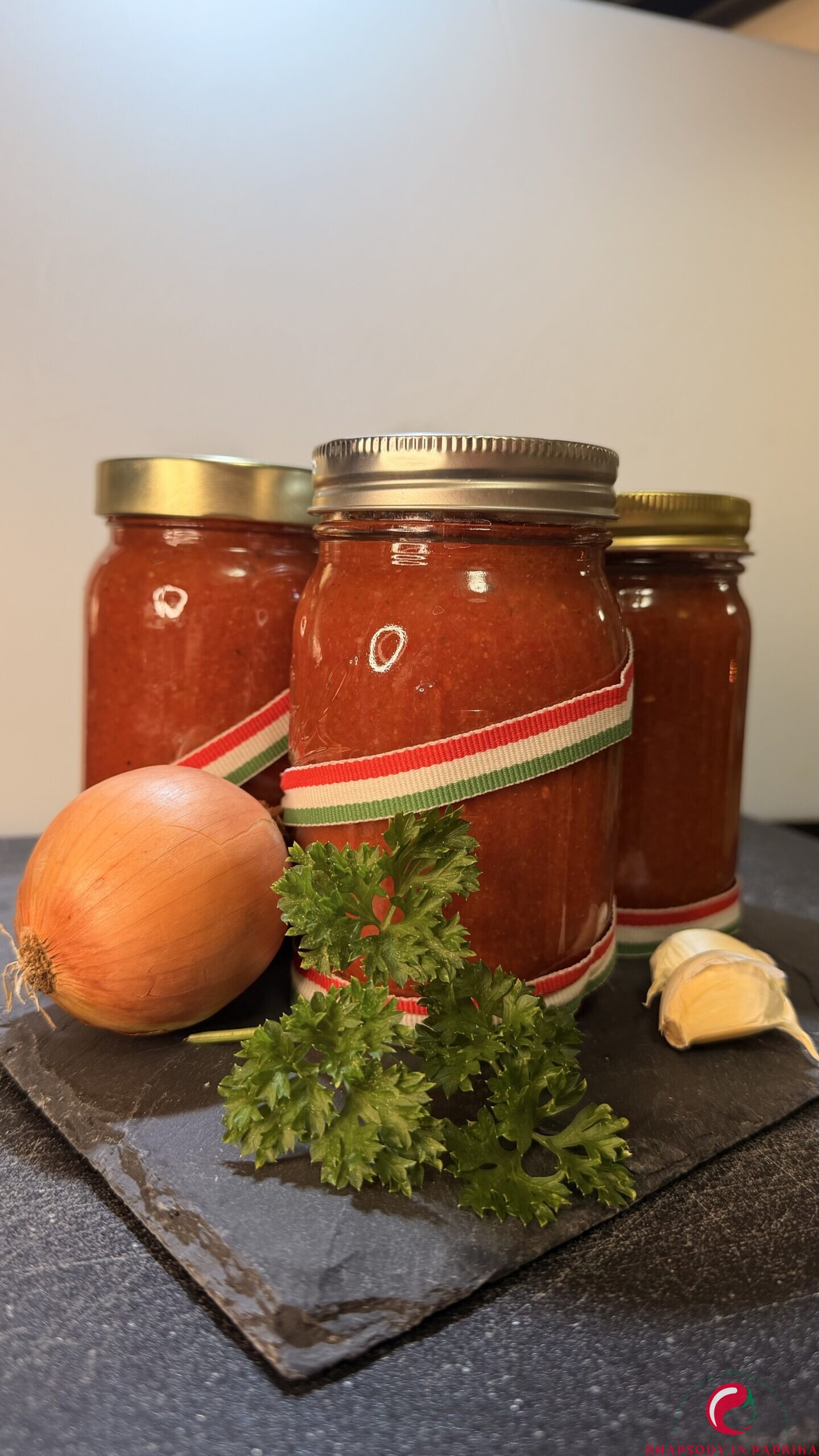
This recipe yielded 3 small jars, plenty for a year. After I finished scooping, a small amount was left over. The Taster of Our House, said it would go well on top of garlic toast. And while that is a possibility, I would also recommend it with duck or bacon fat spread on a toast, topped with purple onion and a small spoonful of goulash creme.

Home Made Goulash Cream / Gulyáskrém
Description
This homemade version of the Goulash Creme is the real thing: just peppers, tomatoes, onion, garlic, caraway, paprika and a few other things cooked down until it becomes a rich, spoonable paste. Excellent in soups - especially in Goulash Soup (Gulyásleves), in stews, spead on meat, as well as on a piece of toast. If you want to try a real Hungarian treat, then toast a piece of bread, spread it with some bacon fat or duck fat, spead a thin layer of this cream on top, finally add some thinly sliced purple onions as a finish.
This recipe yielded 3 small jars, plenty for a year.
Ingredients
Instructions
-
Prepare the Vegetables
Wash the peppers and tomatoes. Remove the cores and seeds from the peppers. No seeds. Peel the parsnip roots, clean the celery stalks, parsley, garlic, and onions. Chop everything into smaller pieces.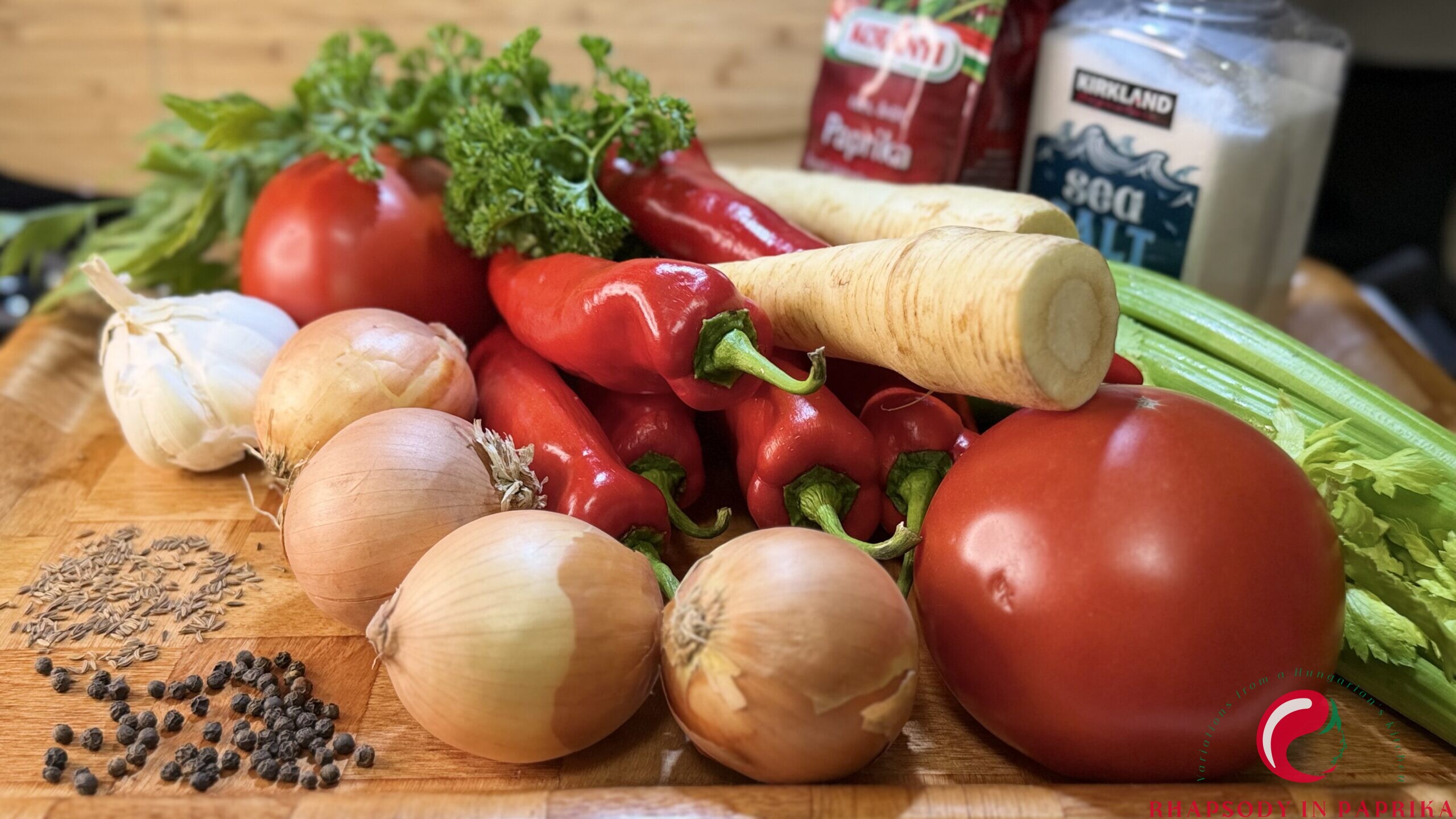
-
Process the vegetables
Place all the chopped vegetables in a food processor and pulse until you get a coarse purée.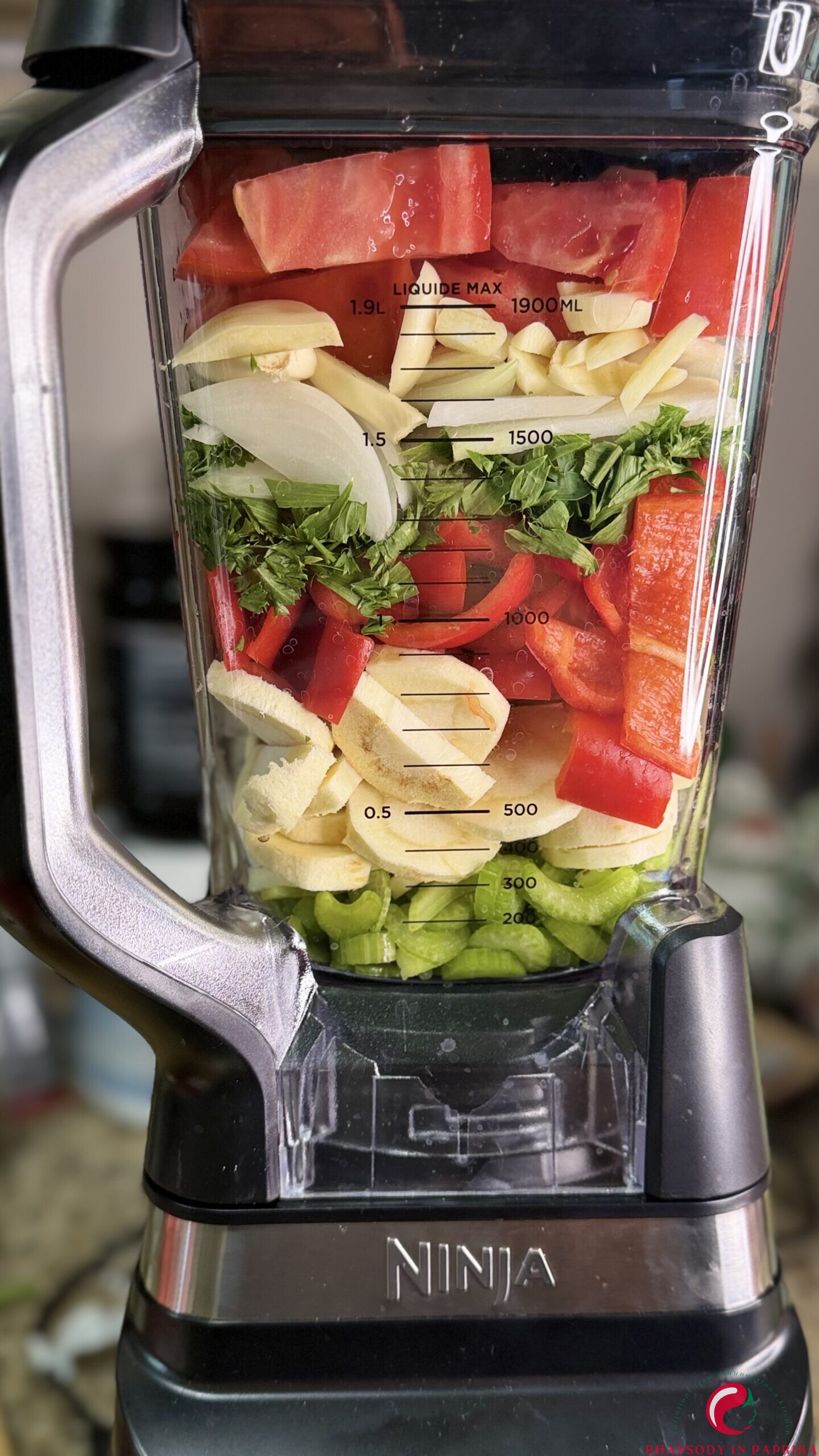
-
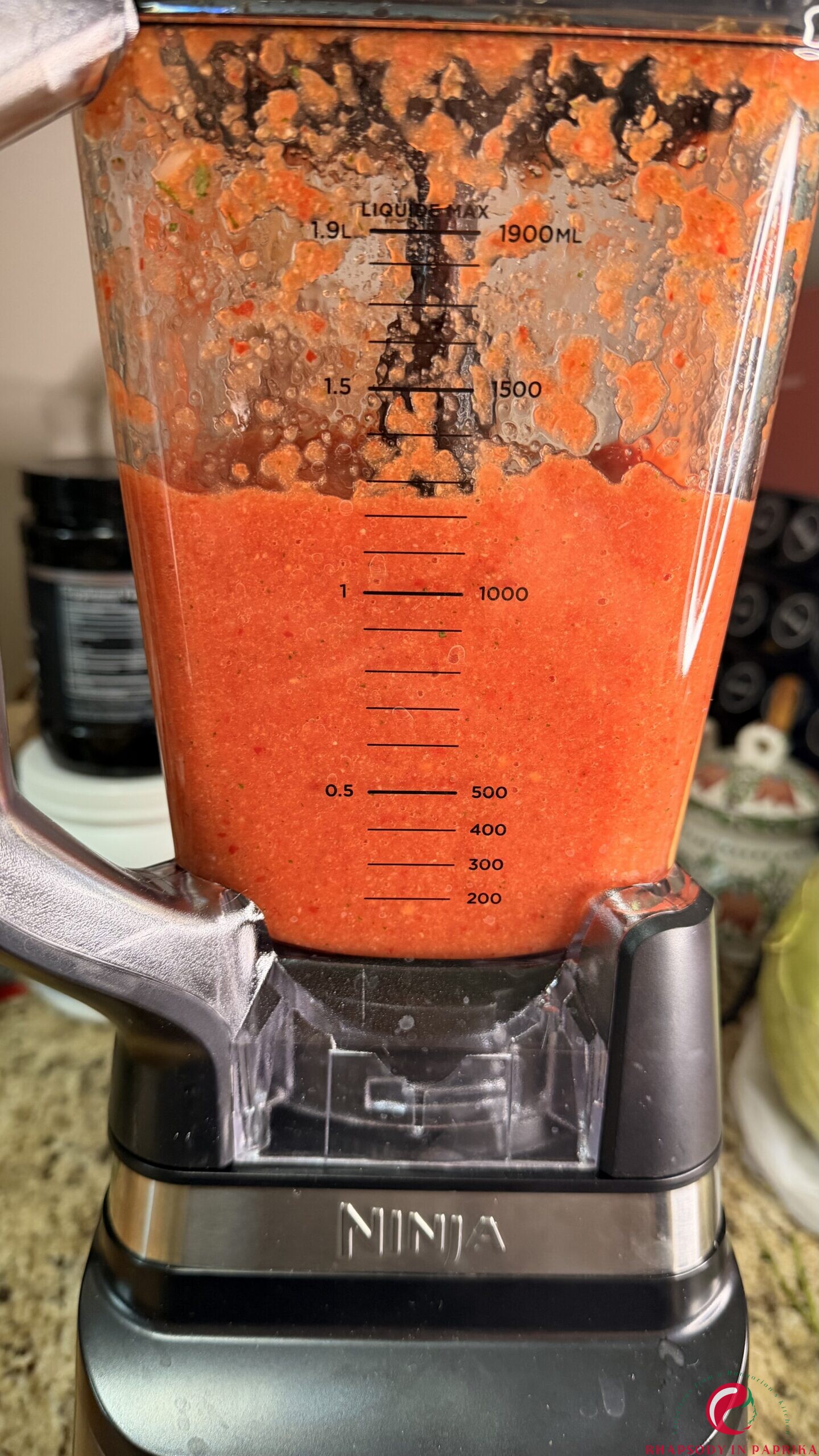
Continue to pulse for a smoother paste
If you would like to skip the immersion blender step later, pulse the vegetables until they form a creamy paste.
-
Start the cooking
Heat the oil in a deep, heavy pot over medium-low heat. Add the vegetable purée and cook, stirring occasionally, until it begins to simmer.Stir in the paprika powder, ground caraway, salt, and black pepper. Mix well.Add the bay leaves and the handful of parsley. Continue cooking for about another 30-45 minutes, stirring from time to time so nothing sticks or burns.Once the consistency gets thick like jam, remove the bay leaves and hot pepper (if you used a whole pepper). Purée the mixture with a hand blender until smooth. (this step is optional if you pureed the mix well in the blender already).Return to the heat and cook for another 10-15 minutes. Makes sure to mix it so it does not burn. Taste and adjust salt if needed.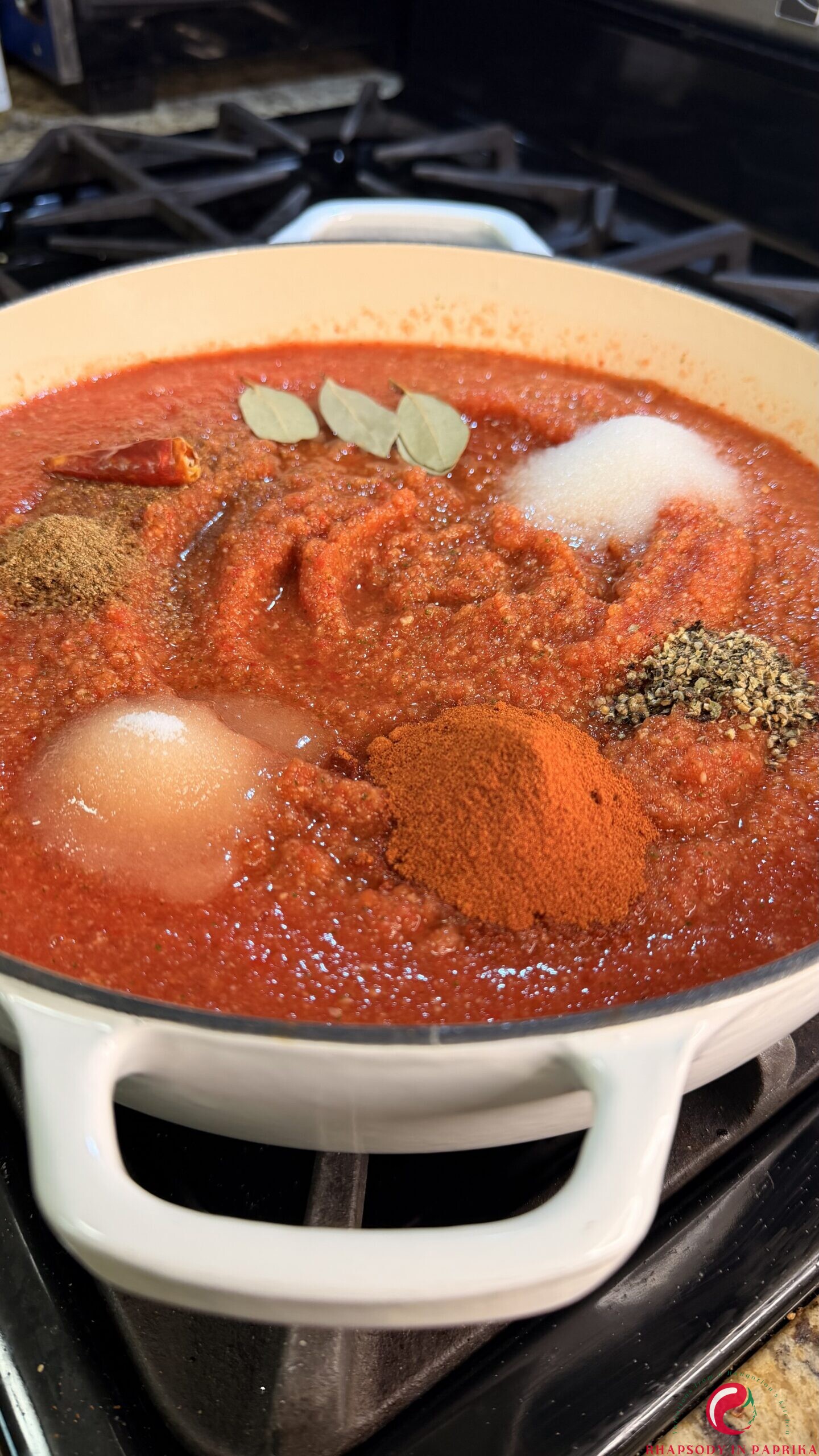
-
Spoon it into clean mason jars
Spoon the hot goulash cream into sterilized jars. (I rinse my jars with hot water mixed with natrium-benzoate) Seal, then place the jars in a preheated 85 °C (185 °F) oven. Turn the oven off after 2 hours and let the jars cool completely inside.
A spoonful of this will give your gulyás, pörkölt, lecsó, or even scrambled eggs that unmistakable Hungarian depth.
Note
Tips
Use sweet, fleshy peppers
Hungarian wax peppers aren't required here. Thick-fleshed red peppers work beautifully, especially sweet red horn peppers. The important thing is choosing peppers with good flesh and relatively little water. I used these red peppers
Control the heat
Keep the chili pepper whole while cooking and remove it before blending for a gentle background heat. If you like your gulyáskrém fiery, chop it up and leave it in.
Tip: Remember that the finished cream will taste more concentrated than the vegetable mixture did at the beginning, so go easy on the heat until you know how spicy your peppers are.
Don't skip the paprika
Add the Hungarian paprika after the vegetable purée has started cooking rather than frying it aggressively in hot oil. Paprika can become bitter if scorched.
Cook it down properly
The secret to a good goulash cream is concentration. You're looking for a thick, spoonable paste rather than a loose vegetable sauce.
If it still looks watery, keep cooking it uncovered over low heat. Stir frequently toward the end because this is when it is most likely to stick or scorch.
Lovage is optional — but very Hungarian
If you have fresh lovage, use it. It gives the cream a wonderful savory, almost celery-like depth. But don't go shopping across three counties for it. The recipe works without it.
Taste at the end
Because the vegetables cook down considerably, the salt becomes much more pronounced as the mixture concentrates. Adjust the seasoning only after the final reduction.
Don't overlook the toast
Serving suggestions: Spread toast with duck fat or bacon fat, add a little finely sliced purple/red onion, and finish with a small spoonful of gulyáskrém.